Phishing Kits and Lookalike Domains: How Banks Are Targeted
Table of contents
Phishing is no longer a lone scammer sending a fake email. It’s an industrial-scale business. Financial institutions are among its most frequent targets, with lookalike domains and cloned websites used to steal credentials, commit fraud, and erode customer trust.
Threat actors now run entire phishing operations: registering lookalike domains in bulk, renting ready-made phishing kits, and launching fake websites in minutes. Let’s unpack how these operations work, and how to stop them.
How large-scale brand impersonation works
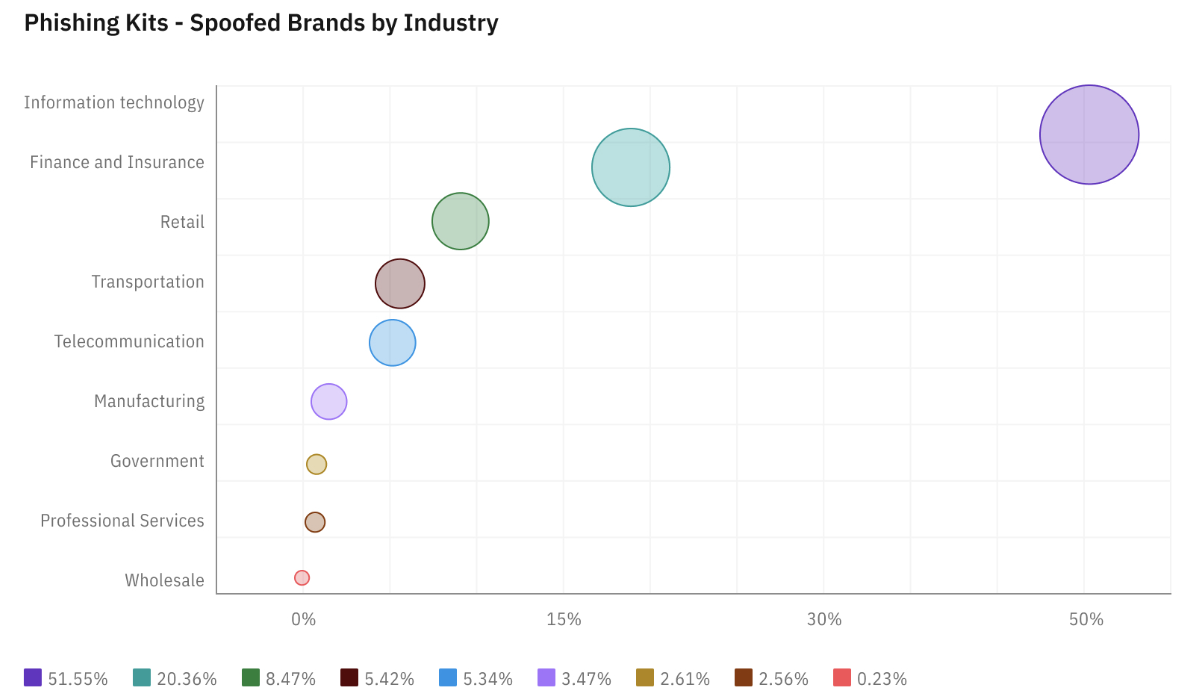
Brand impersonation is no longer a side hustle for opportunistic scammers. It’s a structured, profit-driven operation that targets banks and financial services around the clock. The financial sector is consistently among the most-phished industries: in Q2 2025, the Anti-Phishing Working Group (APWG) found that financial institutions were the most-attacked sector, at 18.3% of all phishing attacks.
Domain squatting is one of the simplest tricks in the playbook. Attackers register domains that look almost identical to legitimate ones, using techniques such as:
- Typosquatting: Swapping, adding, or removing a letter, or adding a hyphen.
- TLD swapping: Using a different top-level domain, such as
.infoor.coinstead of.com. - Combosquatting: Adding a trusted-sounding word to the brand name, such as “secure,” “login,” or “support.”
- Homoglyphs: Replacing letters with visually identical characters from other alphabets, so the fake domain looks identical in a browser or email.
A single convincing lookalike is enough to trick customers into handing over login credentials or payment details.
Beyond lookalike domains, attackers abuse subdomains, free hosting, and legitimate cloud services to mirror a brand’s pages. They copy logos and page code, and obtain free, legitimately issued TLS certificates, so the fake site shows the same padlock as the real one. These sites pass casual checks and can evade basic email filters.
Financial brands are hit hard because trust is everything. A single spoofed email or fake login page can lead to fraud losses, customer churn, and compliance headaches.
Inside a modern phishing kit
A phishing kit can give even an inexperienced scammer the tools to impersonate your brand in minutes. Kits are cheap, easy to buy or rent on underground forums and Telegram channels, and increasingly sophisticated.
Today’s kits don’t just clone a login page. Many come with:
- Pre-written phishing emails designed to slip past email security filters.
- Automated domain and subdomain setup to launch many fake sites at once.
- Multi-channel lures, including QR code phishing, SMS (smishing), and social media.
- MFA bypass: Adversary-in-the-middle (AiTM) kits relay the real login page and capture credentials, one-time passcodes, and session cookies as the victim signs in.
- Anti-detection features such as CAPTCHA gates, bot filtering, and geofencing, which hide the phishing page from security scanners and researchers.
- Back-end dashboards that let criminals track and export stolen credentials as they come in.
This plug-and-play model means the same kit can impersonate a bank one week and a credit union the next, changing only the logo and display name. Kit developers push frequent updates to keep ahead of new security controls.
For SOC teams and brand managers, this means you’re facing a supply chain of impersonation, not a lone attacker.
How cybercriminals scale their impersonation attacks
Modern phishing gangs run like businesses. They don’t handcraft every scam. They automate, outsource, and sell access to ready-made kits and bulletproof hosting.
This model is called phishing-as-a-service (PhaaS). Operators sell subscriptions to other criminals, who get phishing templates, hosting, fresh domains, and dashboards. Some services go further: in October 2026, Microsoft disrupted YAM Store, a marketplace that supplied hijacked Microsoft 365 tenants to phishing kit operators, so their messages came from infrastructure that looked legitimate.
Big brands, especially banks, payment services, and Microsoft logins, are constant targets. Attackers register hundreds of lookalike domains, send spoofed emails and texts in bulk, and share victim lists. One group can reach thousands of customers in a day and redirect them to a fake website that harvests credentials and card details.
These campaigns don’t stay up for months. Many fake sites disappear within hours or days, then reappear on new domains or top-level domains. This rapid churn keeps brand owners and SOC teams under constant pressure to detect phishing and take it down fast.
Takedowns and brand defense: What works
Every impersonation campaign has a weak spot: the fake domain. Finding it fast and shutting it down is one of the most effective ways to protect your brand and your customers.
Domain monitoring watches for suspicious registrations, such as lookalike domains using your bank’s name with slight typos or unusual top-level domains. When a match appears, your team can request a takedown from the hosting provider or domain registrar, with evidence of the impersonation.
Speed matters. Many phishing sites stay live just long enough to collect credentials before they disappear. A fast takedown service shortens that window, reducing fraud losses and customer complaints.
But takedowns alone aren’t enough. Phishers switch domains, move to new registrars, or hide behind privacy services. That’s why continuous monitoring, threat intelligence, and ongoing hunting for new impersonating domains are critical.
Securing your legitimate domain
Protecting your brand also means locking down your real domain. Many spoofing attacks work because basic email safeguards are missing or misconfigured.
Start with the three core email authentication protocols:
- SPF (Sender Policy Framework): Defines which servers are allowed to send email for your domain.
- DKIM (DomainKeys Identified Mail): Adds a digital signature that proves the message wasn’t altered and came from an authorized sender.
- DMARC (Domain-based Message Authentication, Reporting & Conformance): Checks that SPF or DKIM passes and matches the visible “From” domain, tells receiving servers what to do with messages that fail, and sends you reports on who is sending email in your name.
Together, these block most exact-domain spoofing before it reaches your customers. Since 2024, major mailbox providers such as Google and Yahoo have required DMARC for bulk senders. Yet many organizations still stop at a monitoring-only policy (p=none) or never read their DMARC reports. Aim for p=quarantine or p=reject once your legitimate senders are aligned.
Beyond email authentication:
- Audit your DNS regularly to catch forgotten or dangling subdomains that attackers could take over.
- Monitor Certificate Transparency logs for new TLS certificates issued for your domain or lookalikes. They are often the earliest sign of a phishing site being set up.
- Register key defensive domains, such as common typos and major TLDs of your brand name.
- Watch email headers for unusual patterns that suggest spoofing or impersonation.
Technical controls stop a lot, but not everything. Email authentication can’t stop a lookalike domain you don’t own. Combine it with domain monitoring, fast takedowns, and user training.
How to spot and block impersonation attempts
Even with strong security measures, some phishing gets through. That’s why spotting the signs early matters for SOC teams and brand managers.
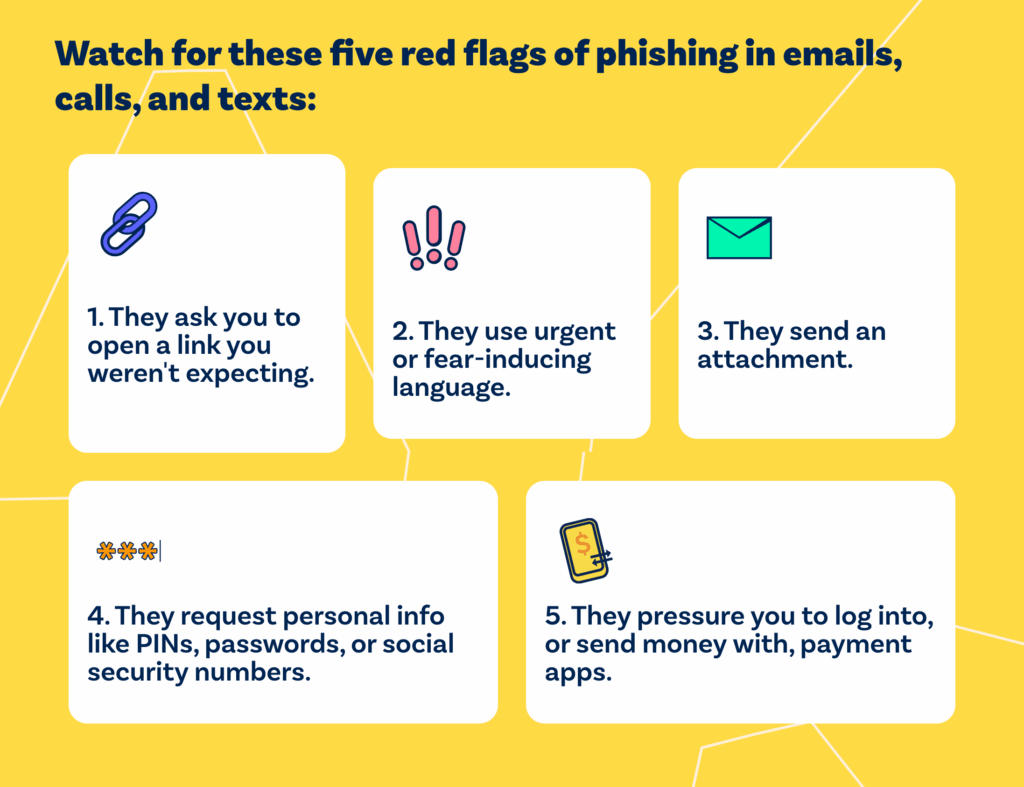
Common red flags:
- Sender domains with slight variations, or display names that don’t match the actual address.
- Unexpected attachments or links that ask for login credentials.
- Generic greetings instead of personalized details, a sign the message was sent to a large list.
- Urgent requests for sensitive information, or scare tactics designed to push a quick click.
- Destinations hidden behind QR codes or shortened URLs.
- Requests to enter a device code or approve an unexpected sign-in, a tactic used to hijack accounts without stealing a password.
On the technical side, monitor your email security gateway for spikes in spoofed emails, unusual senders, or odd header patterns. Cross-check suspicious messages against threat intelligence to catch known phishing kit fingerprints. Phishing-resistant MFA, such as passkeys or FIDO security keys, stops AiTM kits from reusing what they capture.
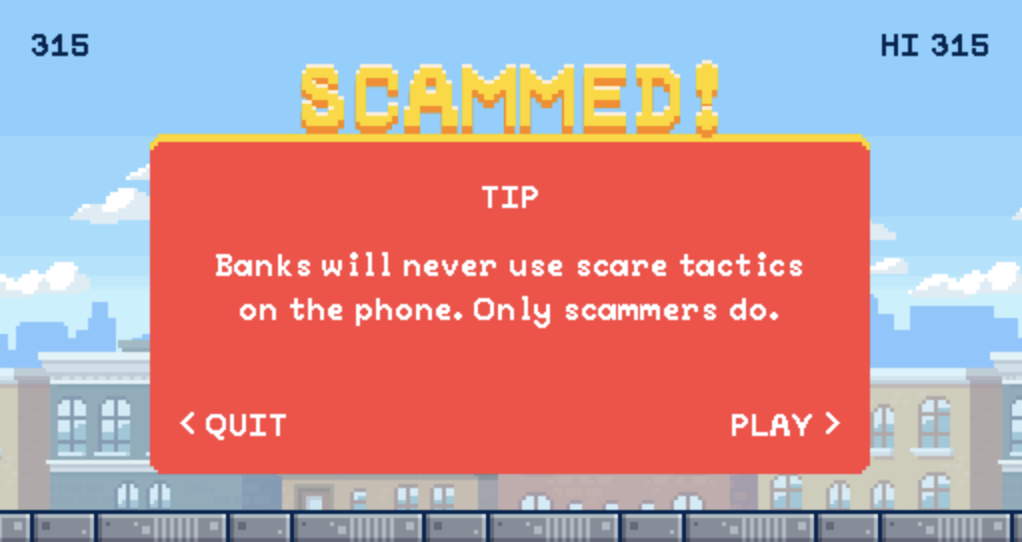
For employees and customers, training still works. A quick gut check before clicking can stop even advanced social engineering.
Resources like Banks Never Ask That make scam awareness easy for staff and customers, with free materials, games, and videos. Pair that human filter with strong email protection, and your risk of serious impersonation attacks drops sharply.
Recent takedowns: What they achieved, and what they didn’t
Industrial-scale phishing operations don’t stop on their own. Coordinated takedowns by law enforcement and industry partners can dismantle them, but recent cases also show how quickly the ecosystem adapts.
1. LabHost (April 2024)
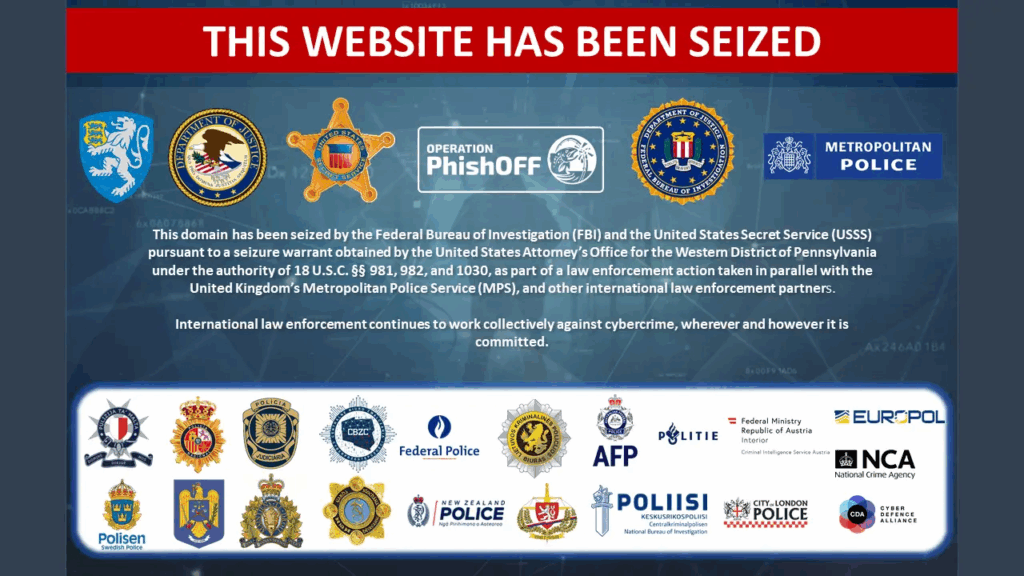
In April 2024, a Europol-coordinated operation across 19 countries shut down LabHost, one of the world’s largest phishing-as-a-service platforms, with 37 arrests in raids on 70 locations. LabHost served about 10,000 criminal customers and had stored more than one million credentials and nearly 500,000 credit card records. In April 2025, the FBI published 42,000 domains linked to LabHost, configured to impersonate more than 200 organizations, including banks, government agencies, streaming platforms, and postal services.
2. ONNX (November 2024)
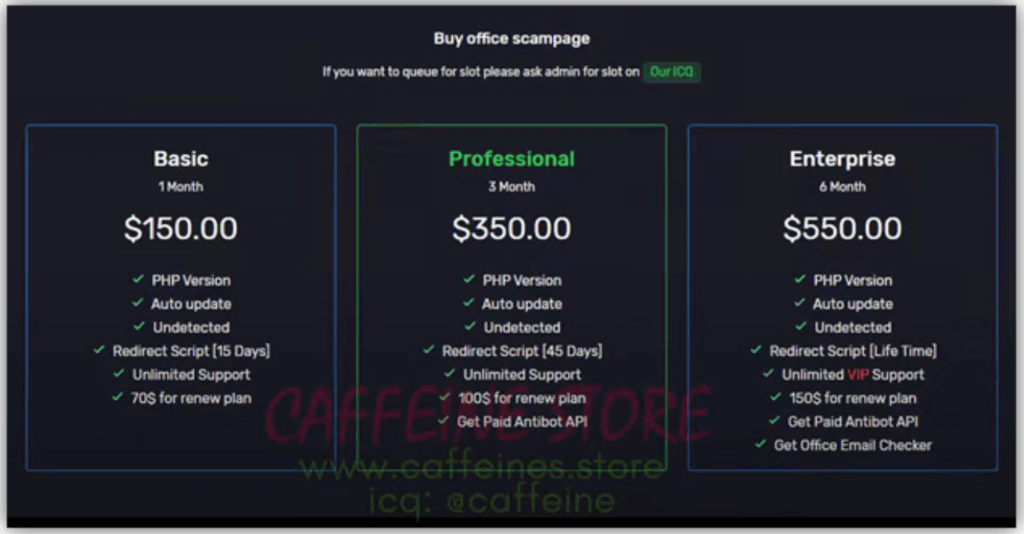
In November 2024, Microsoft’s Digital Crimes Unit (DCU) and partners seized around 240 domains linked to ONNX, a phishing-as-a-service operation run by an Egypt-based actor known as MRxC0DER. ONNX sold kits that could bypass multifactor authentication, and its customers targeted major brands, especially banks and Microsoft logins.
3. RaccoonO365 and Tycoon 2FA (2025–2026)
In September 2025, law enforcement and industry partners targeted RaccoonO365, a phishing-as-a-service platform for stealing Microsoft 365 credentials. In March 2026, Microsoft, Europol, and partners turned to its main competitor, Tycoon 2FA, an MFA-bypassing platform that captured credentials, one-time codes, and session cookies. The operation seized more than 300 domains.
The impact was real but partial. Microsoft reported that phishing volume linked to Tycoon 2FA fell 92% from pre-disruption levels. Yet CrowdStrike saw Tycoon 2FA-enabled phishing continue in the days after the takedown, and Barracuda found its techniques spreading to other PhaaS platforms and affiliates.
4. EvilTokens (September 2026)
In September 2026, Microsoft took down EvilTokens, a phishing-as-a-service platform that abused the OAuth device code flow to take over Microsoft 365 accounts without stealing passwords. Microsoft and partners seized 50 websites and disabled more than 150 supporting domains, and London’s Metropolitan Police arrested two men linked to the operation.
5. Lumma Stealer (May 2025)
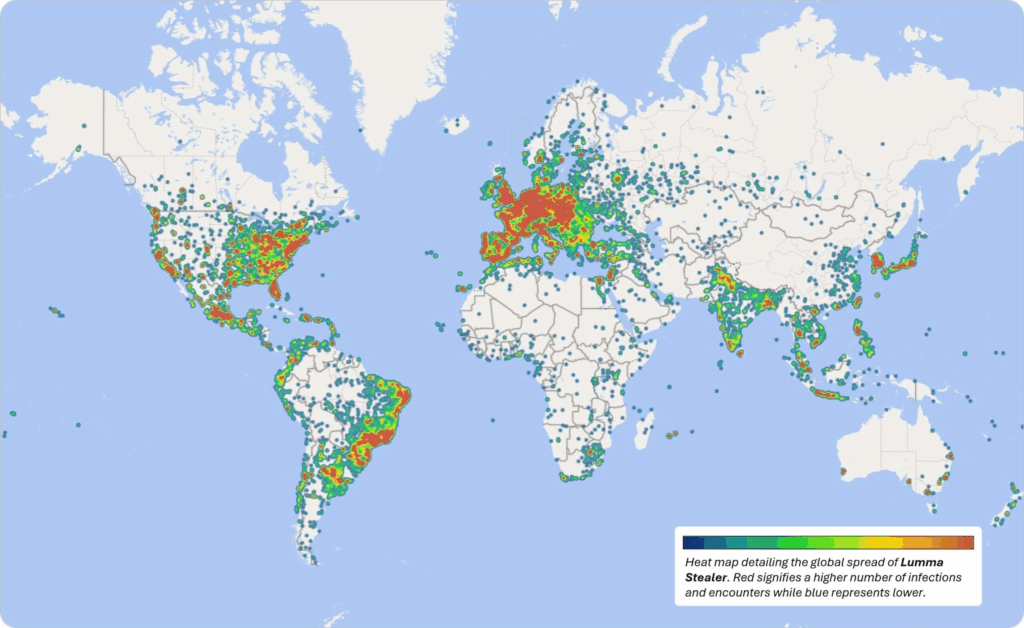
Phishing doesn’t only harvest credentials directly. It’s also a major delivery route for infostealers. In May 2025, Microsoft, the US Department of Justice, Europol, and Japan’s JC3 disrupted Lumma Stealer, seizing or blocking approximately 2,300 malicious domains. Lumma had infected more than 394,000 Windows computers in two months, stealing banking credentials, cryptocurrency wallets, and session cookies. It rebuilt its infrastructure within weeks and resurged in 2026.
The lesson is consistent: takedowns disrupt operations and raise costs for criminals, but services rebuild or their customers move elsewhere. Brands can’t wait for the next law enforcement action. Continuous domain monitoring, fast takedowns, and strong partnerships are what keep your customers safe between operations.
FAQs
Very common. The APWG recorded 971,181 phishing attacks in Q1 2026 alone, targeting hundreds of brands each quarter. Lookalike domains and spoofed senders are among the most common tactics used to trick customers and bypass basic email security.
No. They block spoofing of your exact domain, but attackers often register lookalike domains you don’t control. That’s why continuous domain monitoring and fast takedowns are also critical.
Not always. Adversary-in-the-middle kits can capture one-time codes and session cookies, and device code phishing tricks users into approving the attacker’s sign-in. Phishing-resistant MFA, such as passkeys or FIDO security keys, offers much stronger protection.
QR codes hide the destination link from many email filters and move victims onto mobile devices, which often have weaker protection. Microsoft reported 18.7 million QR code phishing attacks in March 2026 alone.
Yes. Credentials stolen through phishing often fuel BEC scams, wire fraud, or ransomware. A single well-crafted phishing email can trigger significant financial losses.
Use layered defenses. Enforce SPF, DKIM, and DMARC; deploy phishing-resistant MFA; train staff and customers; monitor new domain registrations and certificates continuously; and take down fake sites quickly. CybelAngel Brand Protection helps you detect and take down malicious domains, fake social media accounts, and fraudulent mobile apps.
Final thoughts
Domain impersonation is now an industrial threat. Criminals rent automated kits, launch thousands of fake domains, and target financial brands every day. Even when a major platform is taken down, the techniques it popularized live on.
But you don’t have to stay reactive. A strong financial services cybersecurity strategy combines continuous domain monitoring, fast takedowns, and enforced email authentication, so you can shut down fake sites before most customers ever see them.
Protect your brand and your customers with CybelAngel Brand Protection and our takedown services. Book a demo today.
About the author