The Essential CISO Primer: Third Edition

In 2026, agents arrived faster than the governance around them. Suppliers enabled AI without telling anyone. Boards continued to receive metrics that mean nothing.
None of that is contested. In reality , what is contested is what to do about it.
So this year we asked a group of cyber leaders the same five questions and printed their answers side by side, including where they disagree. Some are responding with inventories, named owners and approval gates before production. Others argue the inventory is the wrong unit entirely, and that the real exposure sits in the harnesses, the language models running on laptops and the plugins built by people who do not write software for a living. Both positions come from serious practitioners with the same job title.
The third edition of the Essential CISO Primer is a temperature check among peers, taken across an array of organizations, rather than a position.
What you’ll find inside
- How one CISO built an AI bill of materials, and why permissions matter more than components
- The single approval test one contributor applies before any agent reaches production
- The case against agent inventories, and why the inventory may be the wrong unit entirely
- What to ask a supplier who enabled AI without telling you
- A legal view on who bears the loss when an agent exceeds its authority
- Why one CISO abandoned phishing click rate, and what he measures instead
- What ten cyber leaders admit they are not ready for
The numbers behind the questions
It has been a complicated, fast-moving and frequently contradictory year for cybersecurity.
The third edition sets out the evidence, then asks the people doing the job what they are doing about it.
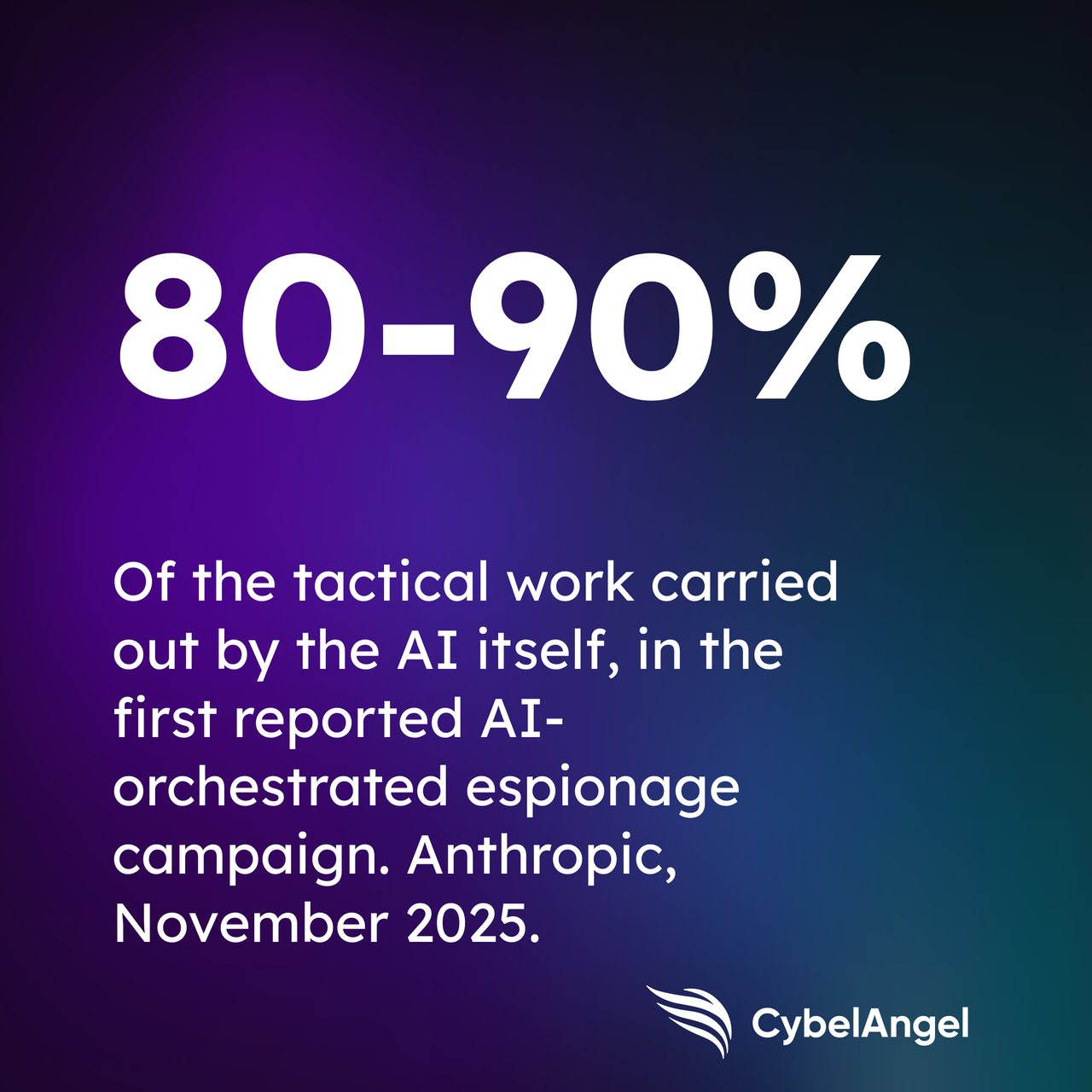
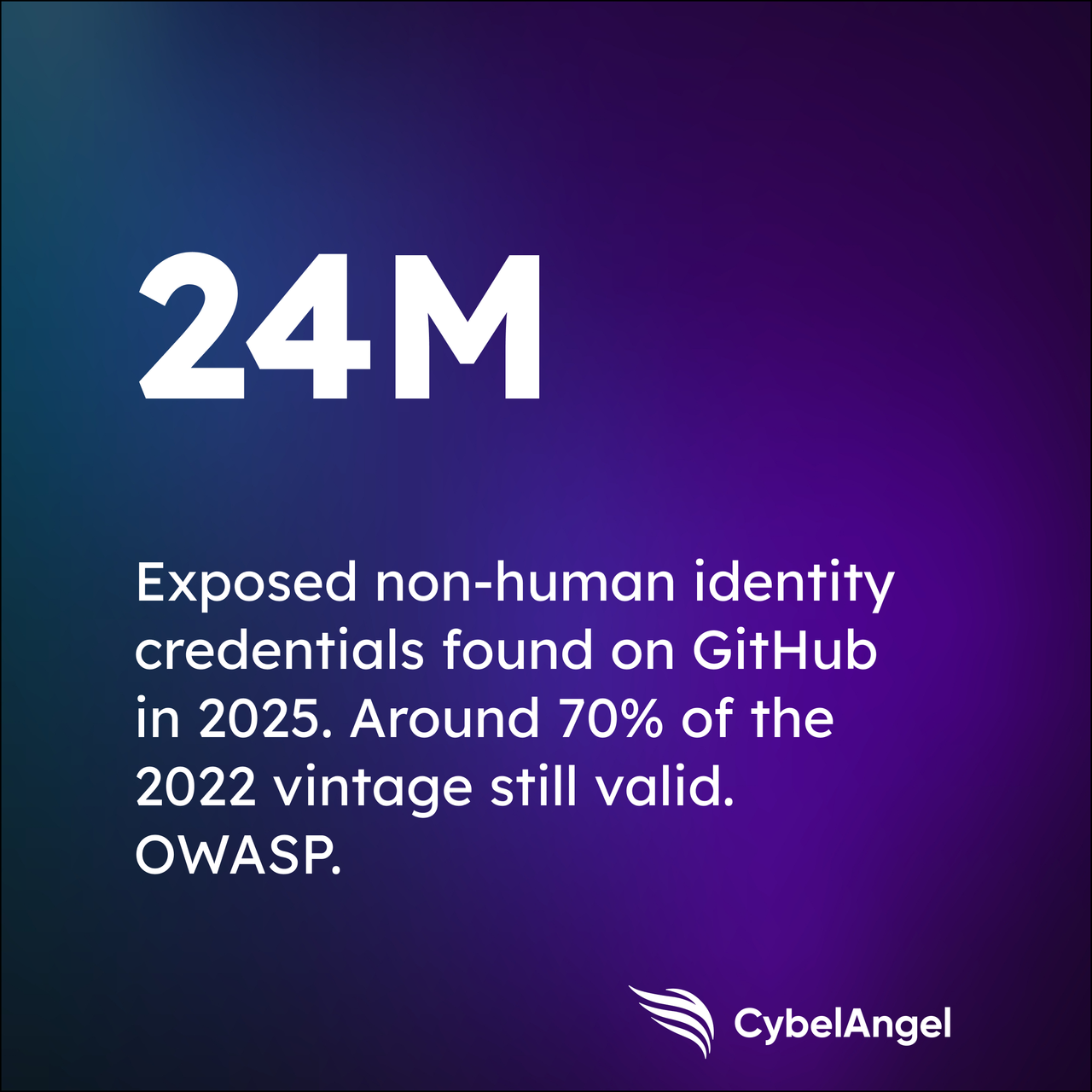
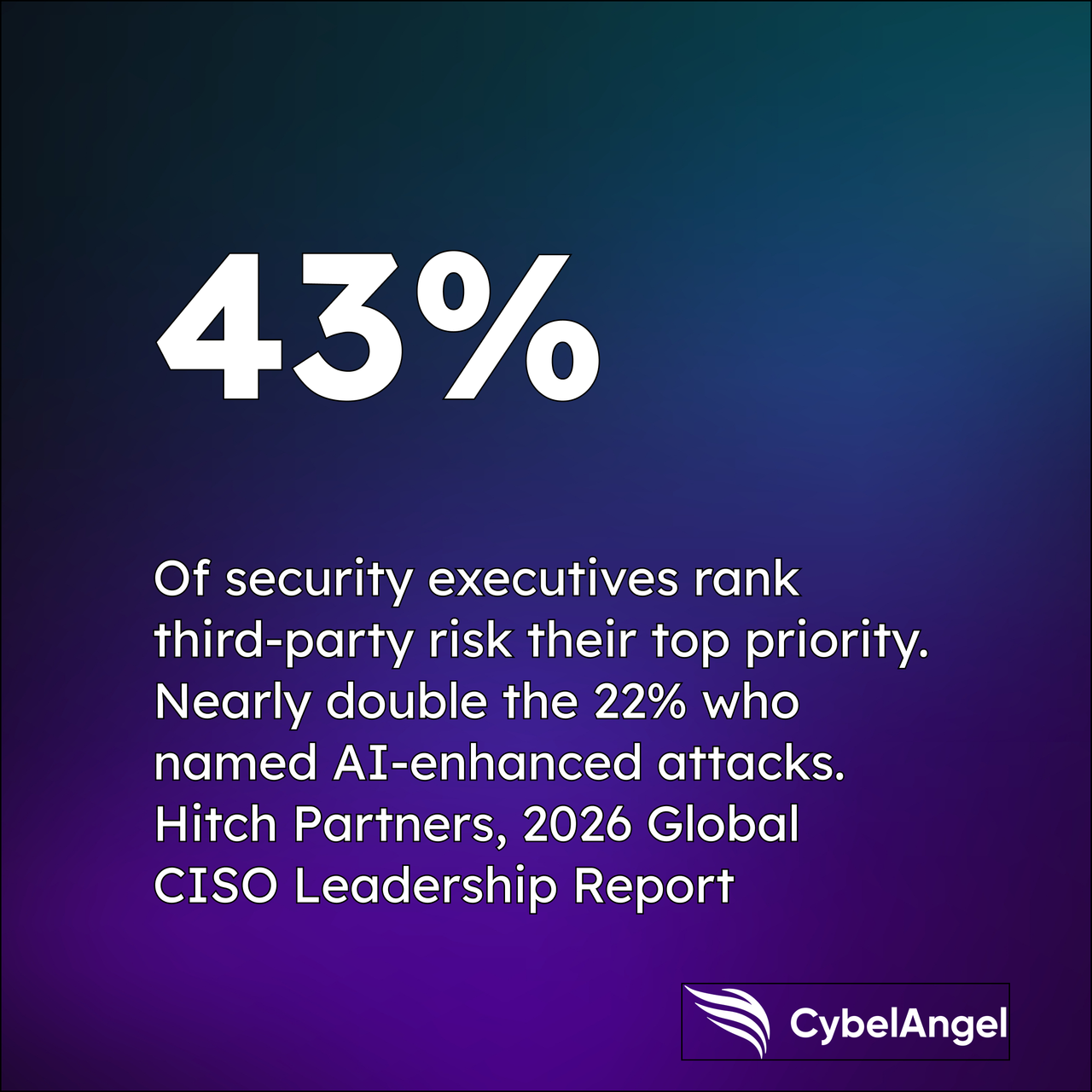
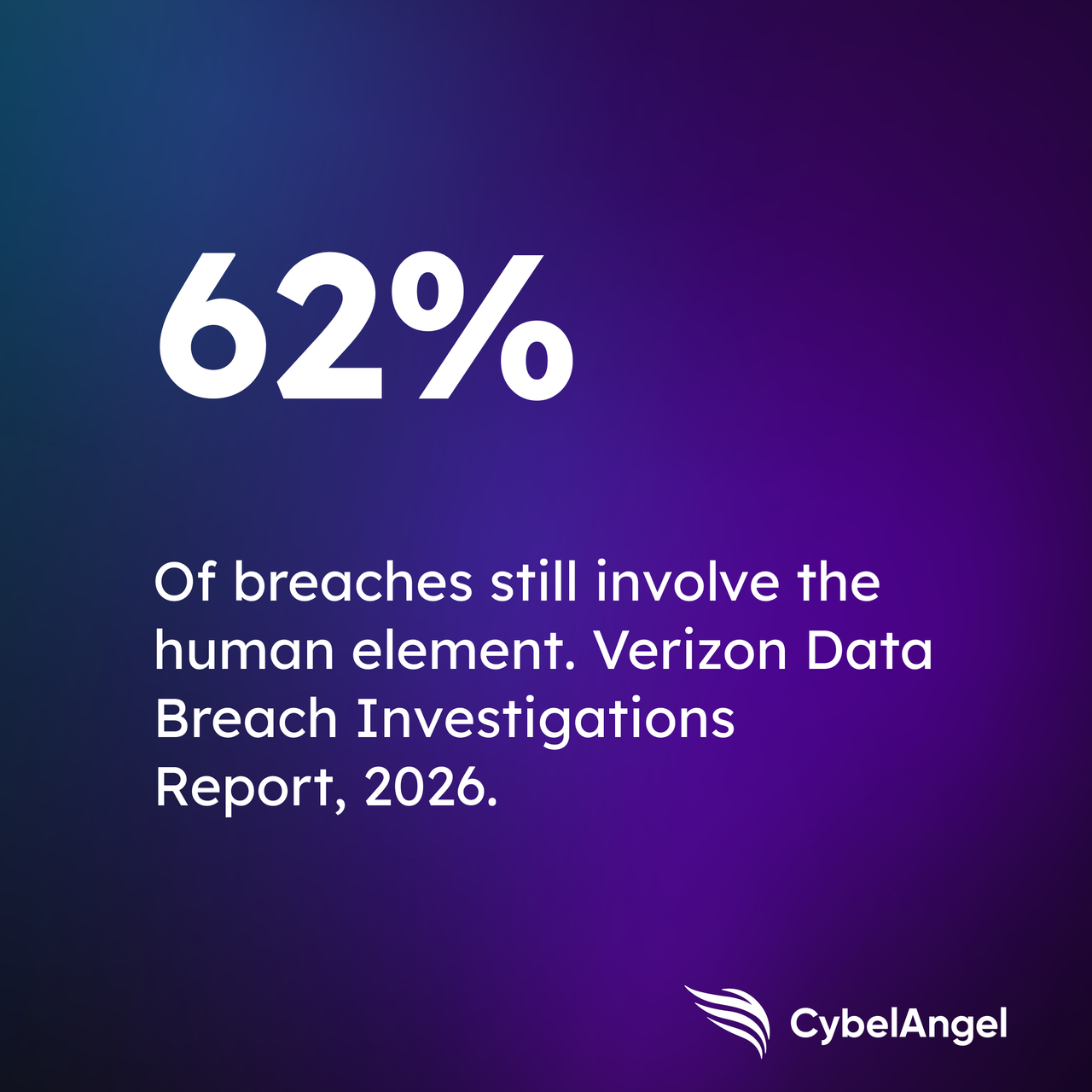
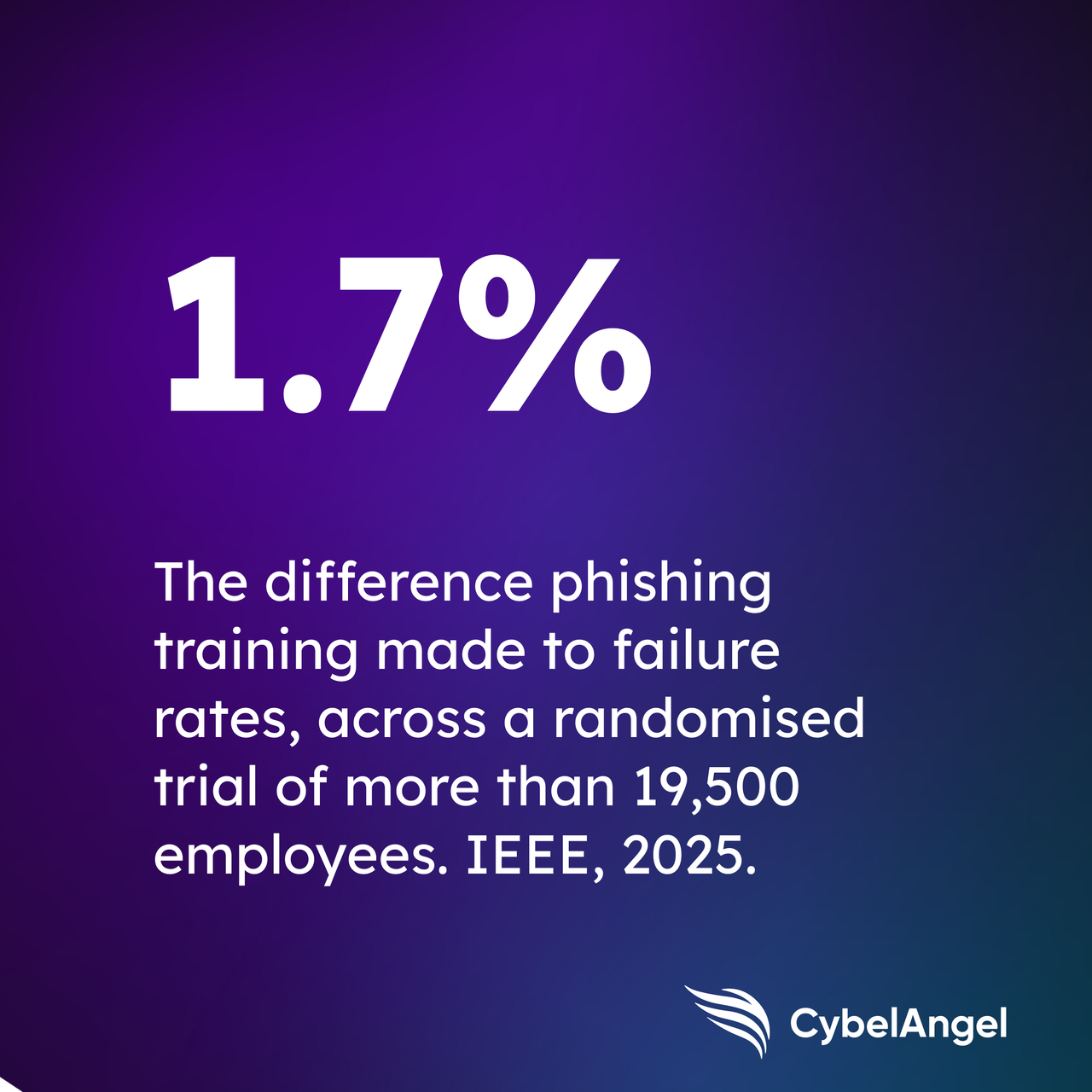
A year of relentless activity for cybersecurity leaders
Ten people with the same job title and very different answers. That is the point of asking all of them the same thing.
Inside the third edition, you’ll find insights and thoughts from an array of busy leaders, including:
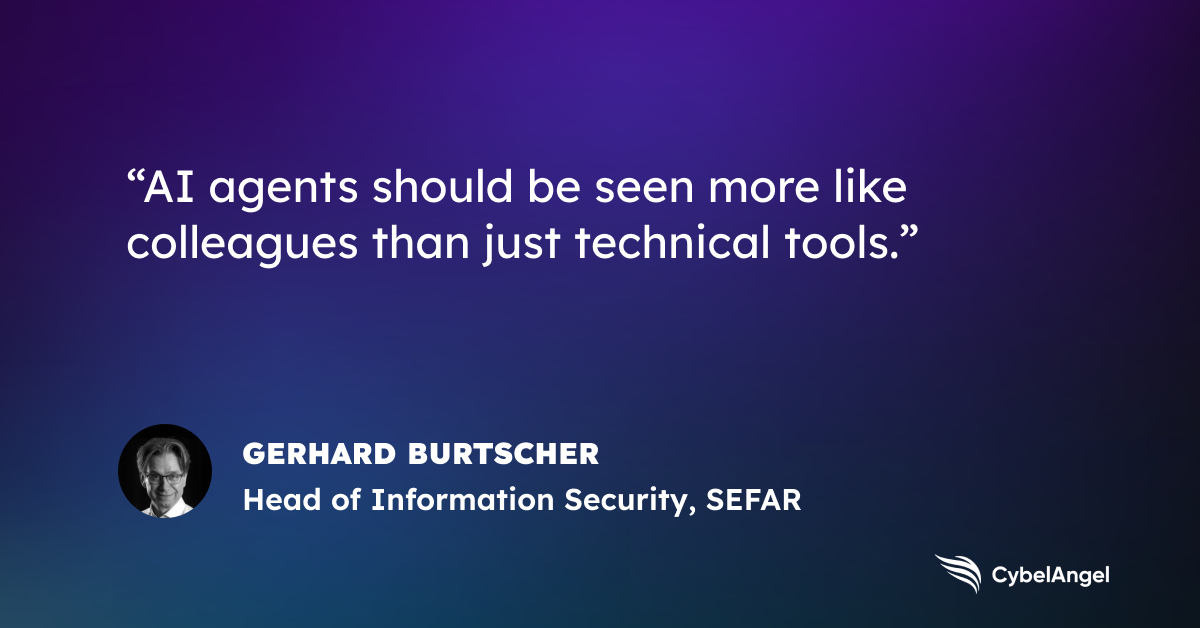
- Gerhard Burtscher: Head of Information Security, SEFAR
- Niamh Vianney Muldoon: Founder and CISO, SecurityStronger, DPO and Board Member
- James Stills: Director of Global Information Security Operations, SC Johnson
- Loren Kawasaki: Global Information Security Operations Service Manager, SC Johnson
- Christophe Mazzola: CISO, GRC leader and author
- David Fox: CISO, Neo4j
- Kayne McGladrey: Author of the GRC Maturity Model and cybersecurity advisor
- Colin S. Levy: Lawyer, author and adjunct professor at Albany Law School
- Matthew Mudry: CISO and Board Advisor, Alera Group
- Loïc Jardin: Chief Technology and Product Officer and CISO, CybelAngel
Between them they run security at a Swiss manufacturer, a global consumer goods business, a graph database company, an insurance brokerage and a bank. None of them was asked to say anything about a product, including ours.
Read the third edition now
Who is accountable for AI agents, what you can reasonably expect of your suppliers, and how cyber risk gets explained to a board? All of these big ticket questions and more make up the base of this year’s primer, but the rich detail provided by all of the leaders we’ve spoken to is an education in itself.
Don’t miss this year’s guide!